Discover the Atlantik Wall and Festung IJmuiden
Coastal Defenses, World War II History, and UNESCO Heritage
A Strategic Gateway to the Netherlands
Exploring the historic defenses of IJmuiden offers visitors a rare opportunity to experience multiple layers of Dutch and European history in one remarkable coastal setting. Located at the mouth of the North Sea Canal, IJmuiden has always been strategically important. Its harbor connects the open sea with the inland waterways of the Netherlands, making it vital for trade, fishing, and maritime traffic. That same strategic value also placed IJmuiden at the center of military planning for more than a century.
The Atlantik Wall and the Rise of Festung IJmuiden
During World War II, IJmuiden’s importance became unmistakably clear with the construction of the Atlantik Wall, Nazi Germany’s massive coastal defense system stretching over 5,000 kilometers (3,100 miles) from Norway to the French-Spanish border. IJmuiden formed a key stronghold within this network. To secure control over the harbor and the North Sea Canal, German forces transformed the area into a heavily fortified zone known as Festung IJmuiden—one of the strongest fortress complexes along the Dutch coast.
Inside the Fortress: Bunkers, Batteries, and Daily Life
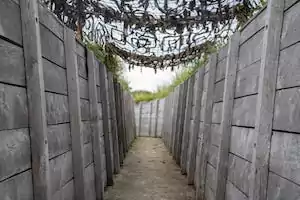
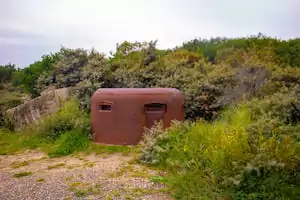
Festung IJmuiden was not a single structure but a coordinated system of coastal artillery batteries, observation posts, bunkers, and anti-aircraft positions. These defenses were carefully positioned to protect both the open sea and the vital shipping route leading inland. One of the most important sites was located in the Heerenduinen dunes, where German forces monitored maritime traffic and defended the harbor entrance. Built with thick reinforced concrete and advanced military engineering, these bunkers were designed to withstand heavy bombardment and operate independently if necessary.
Life inside Festung IJmuiden was demanding and isolated. Soldiers lived and worked underground, often spending long periods without daylight. Daily routines focused on vigilance, maintenance, and constant readiness. While the bunkers are impressive feats of engineering, they also tell a deeply human story—one of discipline, tension, and endurance during a time of global conflict.
The Bunker Museum IJmuiden
Today, this history can be explored at the Bunker Museum, located just 500 meters (about 1,600 feet) from the Felison Cruise Terminal. Situated within the original Heerenduinen artillery site, the museum is an authentic part of Festung IJmuiden itself. Six mostly underground bunkers are open to the public, offering an immersive experience that brings the wartime past vividly to life.
Inside the museum, visitors encounter original equipment, weapons, communication systems, and personal items used by soldiers stationed here. A reconstructed German canteen illustrates daily routines, while detailed exhibits explain how the Atlantik Wall functioned as a defensive network. One of the most striking objects on display is a compact two-person submarine, highlighting the technological ingenuity and urgency of wartime innovation. The museum balances military history with personal stories, making the visit both informative and emotionally engaging.
Forteiland IJmuiden: A Historical Note
Just offshore lies Forteiland IJmuiden, part of the 19th-century Stelling van Amsterdam, a ring of fortifications built to defend the Dutch capital. The fort played a key role in guarding the seaward entrance to the North Sea Canal and was later incorporated into the Atlantik Wall during World War II. Today, Forteiland remains an important historical landmark, illustrating the layered military history of the region, though it is not directly accessible to casual visitors.
Military Heritage and Civilian Life
Preserving these sites also tells the story of the civilian population. Fortifications, restrictions, and military presence deeply influenced everyday life in IJmuiden for generations. Fishing routes, shipping activity, and access to the coastline were all shaped by defense needs. By maintaining bunkers, forts, and museums, IJmuiden ensures that these complex interactions between military strategy and daily life remain visible and understandable.
Visiting the Bunker Museum
The Bunker Museum IJmuiden is open on the first and third Sunday of each month from April through October, between 11:00 hrs. and 16:00 hrs., with additional guided tours available by arrangement. This is the ideal way for visitors to experience Festung IJmuiden’s history firsthand.
Why This Heritage Is a Must-See
Together, Festung IJmuiden and the Atlantik Wall bunkers offer a rare and powerful insight into centuries of coastal defense. From World War II bunkers carved into the dunes to the historical context of the Stelling van Amsterdam, these sites show how geography, technology, and human resilience shaped this corner of the North Sea coast. Easily accessible from Cruise Port IJmuiden, they form a compelling destination for travelers seeking depth, authenticity, and a meaningful connection to European history.


Amsterdam | Haarlem | IJmuiden | Zaanse Schans | Atlantik Wall | Keukenhof